If you own a rental in Northridge, pricing it right is only part of the job. Your results also depend on understanding local demand, planning for seasonality, and staying on top of California and Los Angeles rental rules. This guide breaks down what small landlords in Northridge should watch right now so you can make more confident decisions about leasing, budgeting, and turnover. Let’s dive in.
Northridge Rental Market Snapshot
Northridge’s 91324 ZIP code is a dense suburban market with about 30,699 residents, 11,618 housing units, and 10,730 households. Median household income is $99,610, and the median value of owner-occupied homes is $906,300. About 10% of residents moved in the prior year, which points to steady turnover without being an especially high-churn rental market.
Rent data in Northridge varies depending on the source, so it helps to work from a range instead of one headline number. Zillow reported an average rent of $2,400 in 91324 as of May 6, 2026, with 89 active rentals and a broad range from $800 to $12,500. Realtor.com reported a median rental price of $2,987 with 133 homes for rent in April 2026.
The big takeaway is simple: not every rental in Northridge competes in the same lane. Property type, condition, parking, layout, and whether the home is part of a larger multifamily setup can all affect where your unit fits in the market.
Price by Property Type
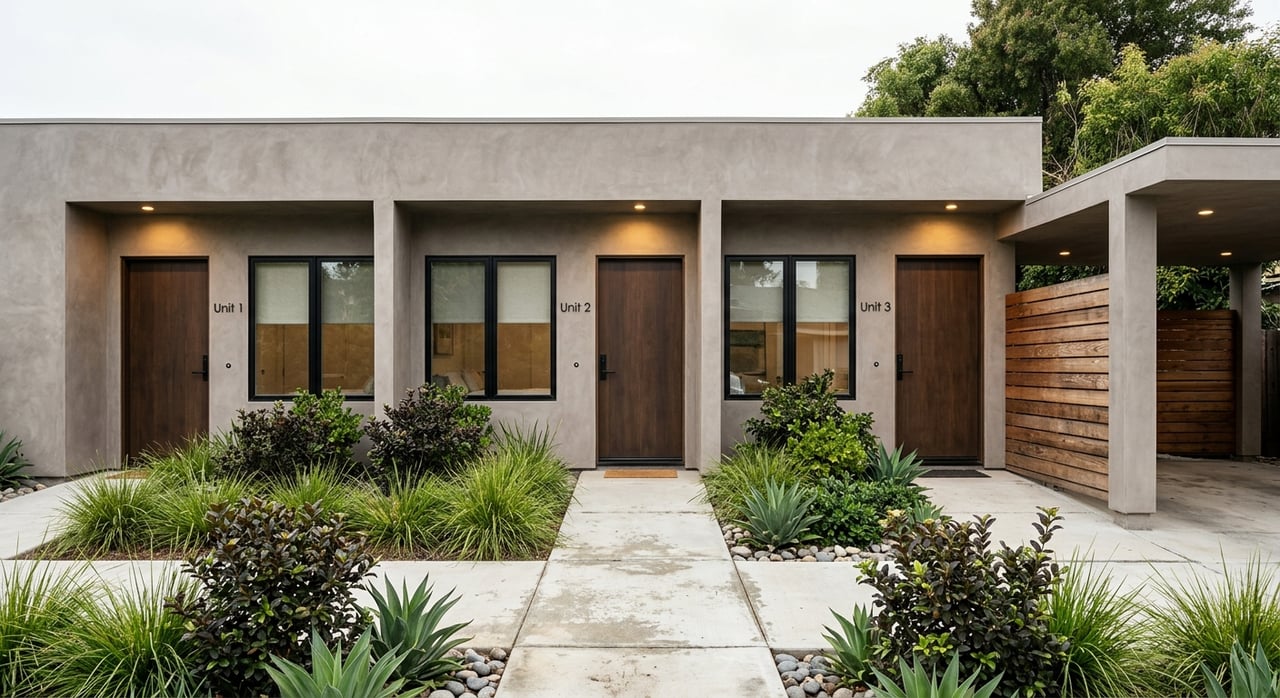
In Northridge, small landlords should be careful about using market-wide averages as if they apply to every listing. The Los Angeles Housing Department notes that RSO coverage can include apartments, condominiums, townhomes, duplexes, two or more single-family units on the same parcel, attached residential units, ADUs, and JADUs. That variety reflects just how mixed the rental stock can be.
A condo with parking and in-unit laundry may attract a different renter than an older apartment or an ADU with shared outdoor space. A duplex unit may also perform differently from a detached single-family rental, even in the same ZIP code. When you underwrite a vacancy, compare your unit to similar homes in format and features, not just by bedroom count.
This matters for both pricing and expectations. A strong asking rent on paper does not always translate into strong net performance if your turnover costs, repairs, or vacancy period are higher than expected.
What Northridge Renters Want
Renter expectations are not mysterious, but they are specific. In Apartments.com’s 2026 survey of more than 15,000 prospective renters, the most common must-haves were air conditioning at 65%, in-unit laundry at 64%, and off-street parking or a garage at 42%. Dishwashers also came in at 42%, while 37% wanted a balcony, patio, or private outdoor space.
On-site laundry facilities were important to 35% of renters, and storage-related features also mattered. Walk-in closets, extra storage, and elevator access all showed up as meaningful preferences. For a small landlord, these details can shape both marketability and how quickly a vacant unit gets attention.
Just as important, condition can make or break interest. Apartments.com found that concerns about maintenance or the condition of the property, unit, or appliances were enough to stop 62% of renters from considering a home. In other words, a unit does not need luxury finishes to compete well, but it does need to feel clean, functional, and well cared for.
Why Transparency Matters
Many renters now make quick decisions based on listing photos and pricing clarity. Zillow’s renter survey found that renters use listing sites and unit photos to evaluate layout, features, finishes, and overall condition. That means blurry photos, missing room shots, or unclear fee information can cost you interest before a showing is ever scheduled.
Transparent pricing also matters. Many renters want to see the total price, including fees, presented up front. For small landlords, this can reduce wasted inquiries and help attract applicants who are better aligned with your actual rental terms.
In a market like Northridge, clear communication can be a competitive advantage. If your listing explains what is included, shows the unit accurately, and answers common questions early, you can often reduce friction during the leasing process.
CSUN’s Role in Demand
California State University, Northridge is a major presence in the area. The university says it serves 38,310 students and operates on fall, spring, and summer terms. While that is not a formal rental-market statistic, it does suggest a large local population tied to an academic calendar.
For landlords, that can influence leasing cadence and renter expectations. Parking, repair speed, and straightforward move-in timing may matter more when your property draws interest from renters connected to the university. Even if your unit is not aimed at students directly, the nearby campus still shapes local housing demand.
This is one reason Northridge landlords should avoid a one-size-fits-all leasing plan. Demand can shift with school terms, summer moves, and broader Valley rental patterns.
Plan Around Seasonal Leasing
Timing matters more than many first-time landlords expect. Zillow’s rental analysis says summer usually brings the widest selection of rentals but also the most competition, while winter tends to have lower rents and fewer renter searches. In Zillow’s data, May and June are the most competitive months, while November and December are the least competitive.
Apartments.com reported a similar pattern in its February 2026 multifamily rent growth report. Rent growth generally accelerates in spring and slows in late summer and fall. For small landlords in Northridge, that makes advance planning especially important.
If your lease is likely to end in late winter or early spring, try to have repairs, photos, and pricing ready before peak moving season starts. If your unit turns in late fall or winter, expect more negotiation and a slower response pace. That seasonal shift does not mean you cannot lease successfully, but it may affect pricing power and time on market.
Smart Timing Steps
- Schedule make-ready work before the unit is vacant, when possible
- Update listing photos as soon as the property is show-ready
- Review competing rentals by property type, not just by rent amount
- Build more flexibility into late fall and winter lease-up plans
- Avoid assuming peak-season demand will last all year
Budget Beyond the Rent Check
One of the biggest mistakes small landlords make is treating gross rent like spendable income. A more realistic budget needs to account for recurring ownership costs and the real cost of turnover. Fannie Mae’s landlord guidance highlights core budget categories such as mortgage, taxes and fees, insurance, utilities, maintenance, major improvements, vacancy reserves, and professional services.
The same guide recommends keeping cash reserves for vacancies or nonpayment. It also calls out common turnover and maintenance items like carpet cleaning, landscaping, appliance repair, plumbing and electrical work, paint, and general supplies. These are the kinds of expenses that can quietly reshape your returns over a year.
If you own one rental or a small portfolio in Northridge, this kind of budgeting is essential. It helps you evaluate whether your current rent level truly supports the property, especially if you expect periodic repairs, seasonal vacancy, or older building systems.
Understand Los Angeles RSO Rules
In the City of Los Angeles, the Rent Stabilization Ordinance, or RSO, generally applies to properties first built on or before October 1, 1978. According to LAHD, covered property types can include apartments, condos, townhomes, duplexes, two or more single-family units on the same parcel, attached residential units, ADUs, and JADUs.
If your property is covered by the RSO, rent increases may generally be made once every 12 months by the allowable percentage. LAHD states that the allowable increase is 3% for July 1, 2025 through June 30, 2026. If your unit is not RSO-covered, it may still be subject to the City’s Just Cause Ordinance.
For small landlords, the key point is not to assume your property is exempt just because it is not a large apartment building. The property type, parcel setup, and year built all matter.
Watch Statewide California Rules Too
Northridge landlords also need to account for California’s statewide Tenant Protection Act. The California Attorney General says most residential units are subject to a rent cap of 5% plus CPI or 10%, whichever is lower, along with just-cause eviction rules after 12 months. Those statewide rules can affect properties that fall outside local RSO coverage.
Security deposits are another area where the rules have changed. AB 12 limits most security deposits to one month’s rent, with a narrow exception that allows up to two months’ rent if the owner qualifies as a small landlord under the law. If you are relying on an older deposit policy, this is an area worth reviewing carefully.
Even if you only own one or two rentals, the compliance burden is real. Good recordkeeping and consistent procedures can help you avoid costly mistakes.
Handle Security Deposits Carefully
California deposit handling now requires more documentation than many landlords realize. State law requires landlords to return the security deposit or provide an itemized statement within 21 calendar days of move-out. Missing that timeline can create problems quickly.
Beginning April 1, 2025, landlords must take photos after possession is returned and before any repairs or cleaning that will be deducted from the deposit, plus after the work is completed. For tenancies beginning on or after July 1, 2025, move-in photos are also required.
For a small landlord, this means your move-in and move-out process should be organized from day one. Photos, receipts, and a clear condition record are no longer optional best practices. They are part of running the property responsibly.
When Local Guidance Helps Most
Small landlords often do well with hands-on support, especially when the property is older, tenant turnover is uneven, or the numbers look tighter than expected. Fannie Mae’s landlord guidance says a good property manager should have experience in maintenance, leasing, collections, marketing, advertising, tenant relations, financial analysis, budgeting, and local and state law knowledge.
That list is a reminder that leasing a property is not just about posting a rental and waiting for calls. It takes local market judgment, a realistic operating budget, and a system for handling compliance and turnover. If you want to lease smarter in Northridge, operational experience matters.
Whether you are evaluating your first rental or trying to improve performance on a small portfolio, practical landlord advice can help you avoid expensive assumptions. If you want a local, hands-on approach backed by real property-management experience, Nadia Arreola can help you think through pricing, leasing strategy, and your next move in the San Fernando Valley.
FAQs
What is the average rent in Northridge for landlords to track?
- Rent data varies by source, so it is better to use a range. Zillow reported an average rent of $2,400 in 91324 in May 2026, while Realtor.com reported a median rental price of $2,987 in April 2026.
What features do Northridge renters usually want most?
- Common renter priorities include air conditioning, in-unit laundry, off-street parking or a garage, a dishwasher, and private outdoor space. Condition and maintenance also strongly affect renter interest.
What Los Angeles rental rules should Northridge landlords review first?
- Start with whether your property is covered by the City of Los Angeles RSO, whether the Just Cause Ordinance applies, and how California’s statewide rent cap and security deposit rules affect your unit.
What is the security deposit deadline for California landlords?
- California law requires landlords to return the deposit or provide an itemized statement within 21 calendar days of move-out.
When is the best time to lease a rental in Northridge?
- Spring and early summer are typically the most competitive leasing months, while late fall and winter usually bring fewer searches, more negotiation, and potentially softer pricing.
Why should small landlords in Northridge budget for vacancy and repairs?
- Gross rent does not equal net income. Mortgage costs, taxes, insurance, utilities, maintenance, turnover work, vacancy periods, and professional services can all reduce actual returns.