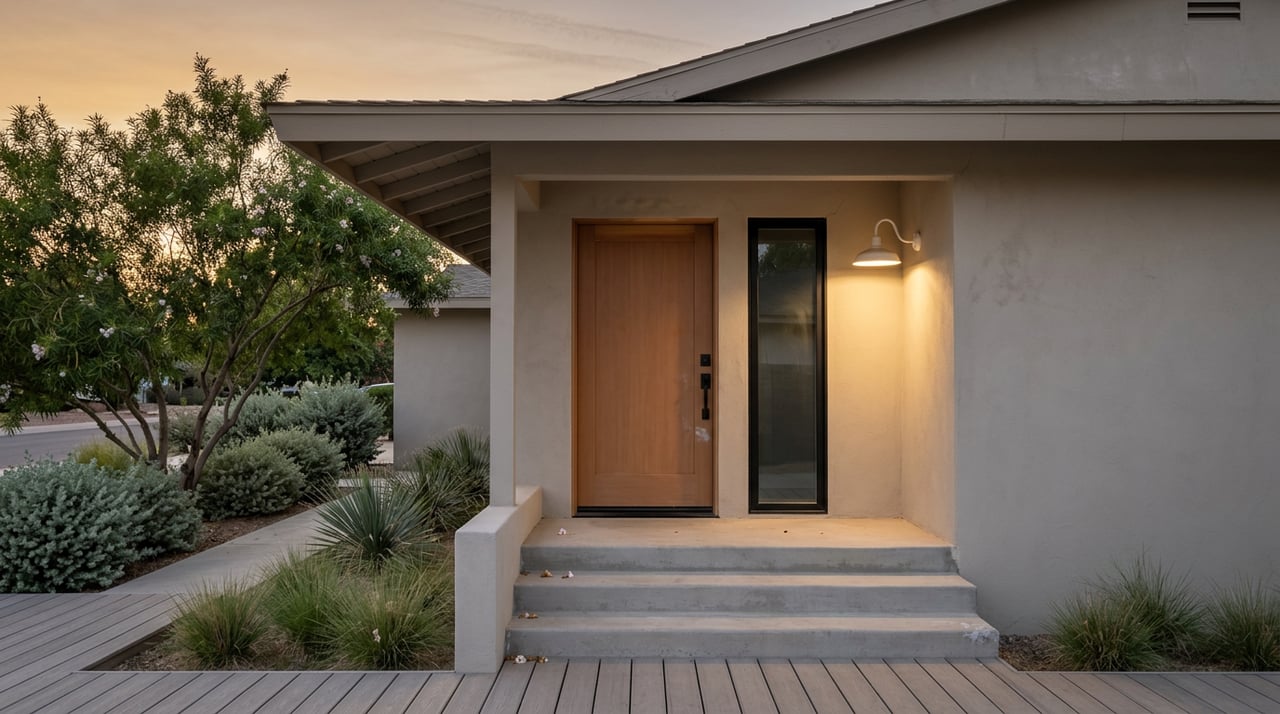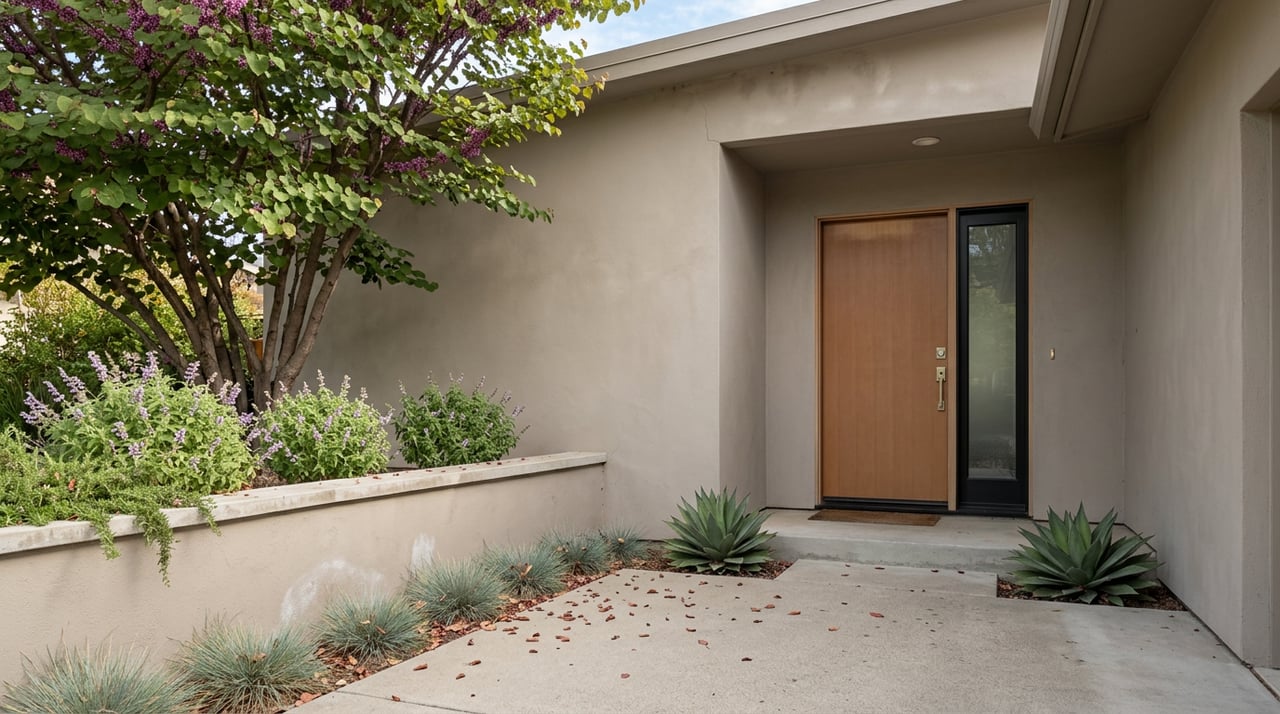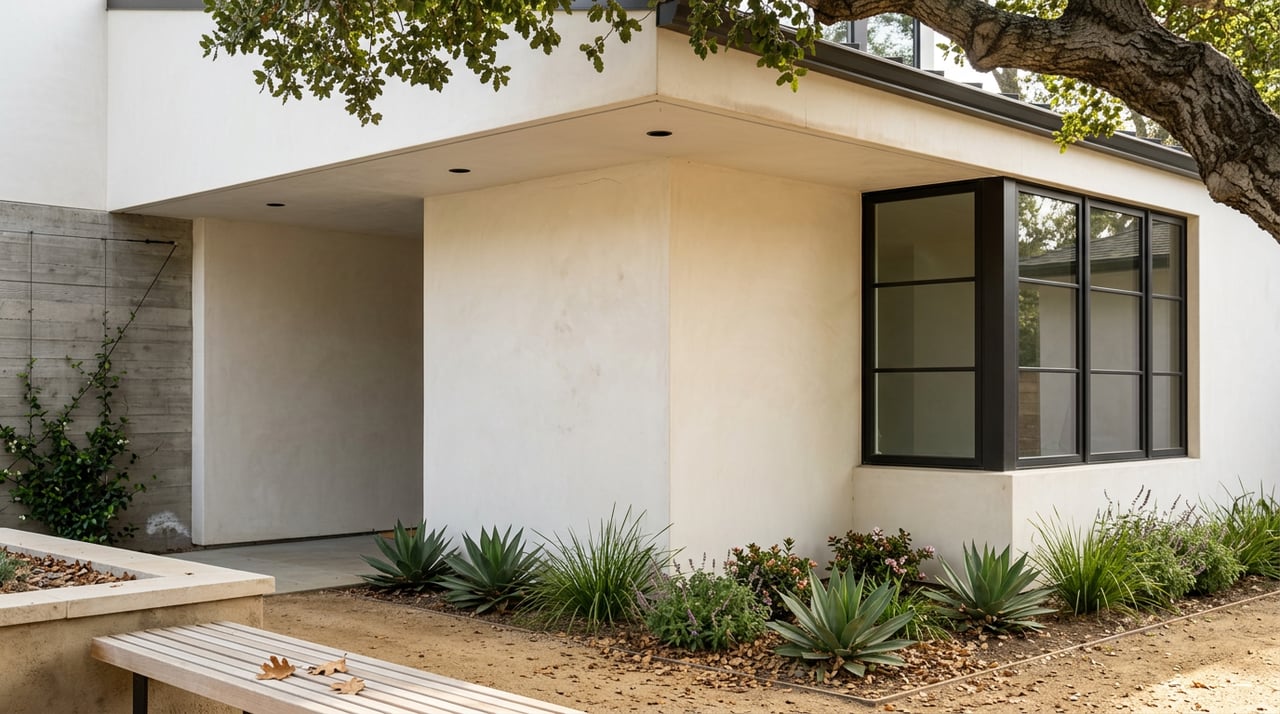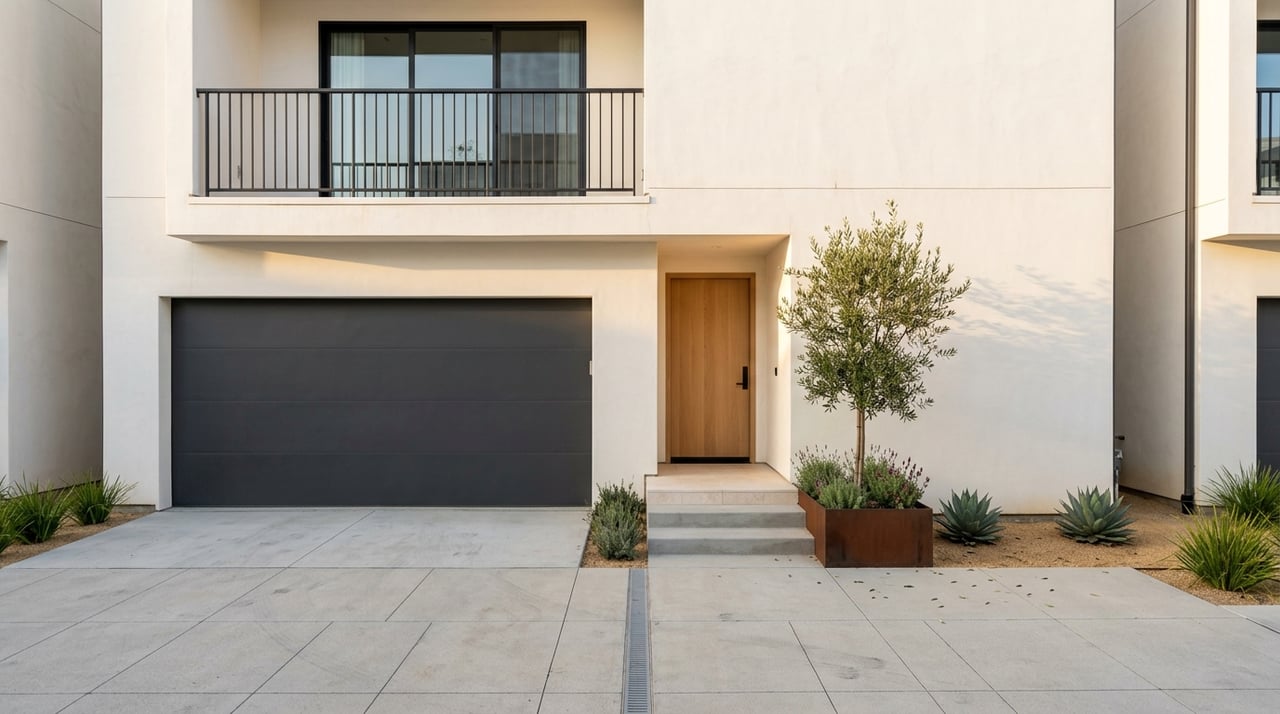
Buying your first place in Sherman Oaks can feel simple at first. You see a stylish condo, then a multi-level townhome, and both seem like solid options. But in Los Angeles, the better choice often comes down to ownership structure, HOA rules, maintenance responsibility, and long-term costs, not just the floor plan. If you want to make a smarter first-home decision, this guide will help you compare what really matters. Let’s dive in.
Sherman Oaks First-Home Picture
Sherman Oaks has a housing mix that makes attached homes especially relevant for first-time buyers. In the Sherman Oaks-Studio City-Toluca Lake-Cahuenga Pass Community Plan area, 61.7% of units are in multiple-housing structures and 38.1% are in single housing units, according to the City of Los Angeles planning profile.
That matters because many first-time buyers in Sherman Oaks will likely be comparing condos, townhome-style properties, and other homes in common interest developments. The same city profile also shows a large share of housing built between 1950 and 1989, which means you may run into older attached housing where maintenance history, reserves, and HOA management deserve extra attention.
Condo Vs Townhome Basics
One of the biggest misconceptions is that condo and townhome are always opposites. In California, that is not really how it works. The California Department of Real Estate explains that a condominium is a legal ownership structure, while townhome is usually an architectural description.
In practical terms, a townhome may still be legally structured as a condominium or as a planned development. That means you should not assume you own the roof, exterior walls, patio, or even certain parking spaces just because the home looks like a standalone or row-style townhome.
Why The Legal Setup Matters
For a first-time buyer, the legal setup affects your monthly costs and future responsibilities. When you buy into a condo, townhome, or another common interest development in California, HOA membership is automatic, according to the DRE residential subdivisions guide.
That HOA relationship shapes more than the monthly dues. It can affect maintenance obligations, insurance needs, rental rules, reserve funding, and whether the property works well for your budget and lifestyle.
What You Should Verify In Documents
The most important takeaway is simple: do not rely on the label alone. The recorded subdivision documents, map, CC&Rs, and HOA disclosures are what define ownership and maintenance responsibility.
The DRE guide on common interest developments says the CC&Rs are the first place to look when questions come up about who handles what. That includes items such as:
- Roofs
- Siding and exterior walls
- Balconies and patios
- Interior repairs
- Parking spaces
- Storage areas
- Guest parking access
Sherman Oaks Condo Pros
A condo can make sense if you want a more predictable maintenance setup. In many condo-style common interest developments, common-area issues typically go through the association, while interior issues are normally the owner’s responsibility, based on DRE guidance.
That setup may appeal to you if you prefer less direct involvement with exterior upkeep. It can also feel more manageable if this is your first purchase and you want clear boundaries between what the HOA handles and what you handle.
Sherman Oaks Condo Tradeoffs
The tradeoff is that condo ownership often comes with rules and shared decision-making. Your HOA budget, reserves, insurance, and repair planning can directly affect your ownership costs.
You also need to understand what the HOA policy does not cover. California disclosure law requires associations to summarize property, liability, earthquake, flood, and fidelity insurance, and that summary warns that the HOA’s policy may not cover your interior or personal property and may still leave you responsible for deductibles, as outlined in California Civil Code Section 5550.
Sherman Oaks Townhome Pros
A townhome-style property often attracts buyers who want more separation of space. You may find multi-level layouts, direct entry, or outdoor areas that feel more private than a typical condo layout.
For some first-time buyers, that style feels closer to single-family living while staying within a more accessible budget range. But again, the style alone does not tell you who maintains the exterior or whether key features are exclusive-use areas versus common areas.
Sherman Oaks Townhome Tradeoffs
Townhome projects can be structured in different ways. The DRE residential subdivisions guide notes that townhome and cluster projects may be condominiums or planned developments, and maintenance responsibility for roofs and exteriors can vary from project to project.
That means one Sherman Oaks townhome may place more responsibility on the HOA, while another may shift more upkeep to you as the owner. If you are comparing two similar-looking listings, the better choice may come down to documents, not design.
HOA Fees Matter More Than Labels
For many first-time buyers, the real condo-versus-townhome decision is actually an HOA and budgeting decision. California law requires reserve studies at least every three years for qualifying associations, plus annual review and a reserve funding plan, under Civil Code Section 5550.
A healthy reserve profile can reduce the chance of surprise costs, while weak reserves may signal possible special assessments later. That is why the monthly HOA fee should never be viewed by itself. You need to understand what that fee supports.
Questions To Ask About HOA Costs
Before choosing a condo or townhome in Sherman Oaks, ask for clarity on these financial details included in the resale disclosure process:
- Current regular assessment
- Any special assessments
- Unpaid fees or late charges
- Pending increases in assessments
These items are part of the resale disclosure packet under California Civil Code Section 4525. If you are trying to keep your first home affordable, this review is essential.
Insurance And Balcony Inspections
Insurance is another area where first-time buyers get surprised. The annual budget disclosures also summarize the association’s insurance coverage, and that can help you understand what separate owner coverage you may need under Civil Code Section 5300.
If you are buying in a condominium project, ask for the latest exterior elevated element inspection report too. California resale disclosure law now requires that report to be included, and Civil Code Section 4525 ties into inspection requirements for qualifying balconies, decks, walkways, and similar elements.
Financing Can Change Your Options
If you may use FHA or VA financing, project status can affect whether a home works for you. The annual budget report must disclose whether the condominium project is FHA- or VA-approved, according to Civil Code Section 5300.
That makes it important to ask about financing compatibility early, not after you are emotionally attached to a property. A home that looks perfect on paper may create financing hurdles depending on the project’s approval status.
Rental Rules And Future Flexibility
Your first home may not be your forever home. If you think you might keep the property as a future rental, check the governing documents carefully.
California resale disclosures must state whether the governing documents prohibit rentals or leasing under Civil Code Section 4525. You should also review move-in rules, architectural approval requirements, and any rental caps that could affect your long-term plans.
First-Time Buyer Checklist
The California Department of Real Estate homebuyer guide recommends talking to a lender before shopping because qualification depends on factors like credit history, job stability, and down payment. The same guide says buyers often need a down payment of 5% to 20% of the purchase price plus 3% to 7% for closing costs.
As you compare Sherman Oaks condos and townhomes, keep this checklist handy:
- Talk with a lender before touring seriously
- Review estimated monthly payment plus HOA dues
- Read the CC&Rs for maintenance responsibility
- Ask for reserve study and reserve funding information
- Review insurance summaries and owner coverage needs
- Confirm parking, storage, and guest parking rights
- Ask about special assessments and pending fee increases
- Check rental restrictions if future flexibility matters
- Review the preliminary title report during escrow
- Stay in close contact with your lender and escrow officer
So Which Is Better In Sherman Oaks?
There is no one-size-fits-all winner. In Sherman Oaks, the better first home is usually the one whose maintenance map, reserve strength, insurance setup, parking arrangement, and financing rules fit your budget and ownership goals.
A condo may work well if you want a simpler maintenance framework and are comfortable with shared systems and HOA oversight. A townhome-style property may appeal if you want a different layout or more separation, but you still need to verify exactly how the project is structured and who is responsible for what.
Choosing between a Sherman Oaks townhome and condo gets much easier when you look past the listing photos and focus on the documents that control the property. If you want practical guidance as you compare options in Sherman Oaks and across the Valley, connect with Nadia Arreola for responsive, local support tailored to your first-home goals.
FAQs
What is the difference between a condo and a townhome in Sherman Oaks?
- In California, a condo is a legal ownership structure, while a townhome is usually an architectural style. The recorded documents, CC&Rs, and subdivision map determine what you own and what the HOA maintains.
What HOA documents should a first-time buyer review for a Sherman Oaks condo or townhome?
- You should review the CC&Rs, resale disclosure packet, reserve information, insurance summary, and any documents showing assessments, rental rules, parking rights, and maintenance responsibility.
What should first-time buyers ask about HOA fees in Sherman Oaks?
- Ask about the current regular assessment, any special assessments, unpaid fees, late charges, pending increases, reserve funding, and what services or repairs the monthly dues actually cover.
Can FHA or VA financing affect a Sherman Oaks condo purchase?
- Yes. The project’s FHA or VA approval status can matter, so buyers using those loan types should verify project eligibility early in the process.
Should a first-time buyer in Sherman Oaks choose a condo or townhome based on looks alone?
- No. Similar-looking properties can have very different ownership, insurance, parking, and maintenance rules, so the governing documents matter more than the label or layout.