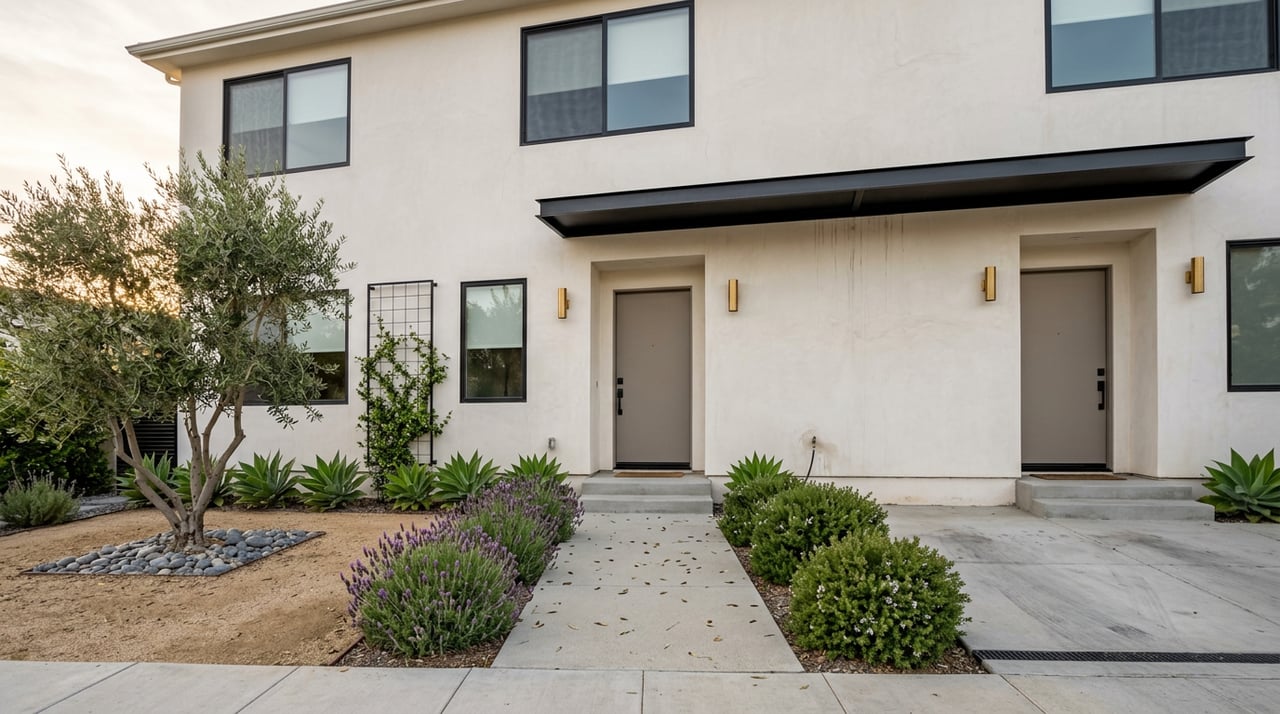
Are you eyeing a North Hollywood duplex or triplex for steady cash flow and long-term upside? You’re not alone. Small multifamily in NoHo offers a practical path for investors and house-hackers, but success depends on clear expectations about rent control, financing, rehab, and operations. In this guide, you’ll learn what to look for, how to underwrite in today’s market, and which city rules matter before you write an offer. Let’s dive in.
Why duplexes and triplexes in NoHo
Regional multifamily reports show Los Angeles vacancy in the mid 5 percent range and cap rates around 5 percent in late 2025. Use that 4.5 to 6 percent cap rate band as a quick check while you verify submarket comps. You should also model 5 to 8 percent vacancy for duplex and triplex underwriting in the Valley. These metro figures help you avoid overpaying and keep your pro forma realistic, especially for older buildings (recent LA metro report).
For small properties, pricing is driven by condition, in-place rents, and legal exposure more than institutional metrics. Your most important levers are unit-by-unit rent potential, the building’s year built, and the rehab plan. If you are considering owner-occupancy, financing options can further improve your return.
What you will find in NoHo stock
North Hollywood grew in waves, with heavy small-multifamily construction from the 1940s to the 1970s. That often means older electrical and plumbing, aging roofs and windows, and a mix of cosmetic updates over time. Always verify year built and major system ages at the address level to avoid surprises (North Hollywood background).
Rent control and the 1978 cutoff
In the City of Los Angeles, the Rent Stabilization Ordinance generally covers properties with a first Certificate of Occupancy on or before October 1, 1978. RSO coverage affects allowable annual increases and just-cause rules. Confirm each address through city tools so you know the exact status before you pencil rent growth or repositioning plans (LAHD glossary on RSO).
Soft-story and seismic notes
Los Angeles mandates seismic retrofits for many vulnerable wood-frame apartments with open ground floors. The city’s Soft-Story Retrofit Program does not apply to residential buildings with three or fewer units. Even if you are outside the mandate, get a structural screening if there is tuck-under parking or visible deflection, and factor potential retrofit or corrective work into your budget (LADBS soft-story program).
Common unit mixes and layouts
Expect a lot of 1-bedroom/1-bath and 2-bedroom/1-bath units, with the occasional 3-bedroom front unit and smaller side units. Layouts can be stacked or side-by-side, and some deeper lots include converted accessory structures. Look closely at entries and separations since appraisers value true, independent units with proper egress and utility setups.
Parking and access patterns
Older duplexes and triplexes often rely on a single garage or carport plus driveway or tandem spots. Transit-adjacent areas can have more flexible parking rules under current city and state policy. Always confirm the lot’s recorded parking capacity and any local exemptions if you plan to add an ADU or reconfigure spaces (LA City Planning housing initiatives).
Where these properties cluster
In NoHo, small multifamily is common in older grid neighborhoods south of Magnolia and around corridors like Lankershim, with pockets near the NoHo Arts District, the Metro station area, and the Valley Village and Burbank borders. Street-by-street character and building ages vary, so compare nearby sales and walk blocks to confirm micro-location fit (area overview).
Zoning and rules to check first
Do these checks as soon as a listing hits your radar:
- Confirm zoning and parcel details in city systems. Zoning designations such as R2, RD1.5, or R3 control density, setbacks, and parking. Review overlays and any housing initiatives that might affect ministerial approvals or long-term potential (LA City Planning resources).
- Verify rent law exposure. Determine whether the property is covered by the LA RSO. If not, statewide AB 1482 may still apply unless an exemption fits. Use city resources to understand rules for increases and just cause (LAHD glossary on RSO).
- Consider SB 9, ADUs, and potential lot changes. State laws create pathways for more small-scale density in certain zones, but local implementation and parcel specifics matter. Do not assume a by-right conversion is allowed without a parcel-level review (LA City Planning resources).
- Check parking near transit. State and local rules can relax parking minimums around major transit stops, which can impact ADU additions and site planning. Confirm the property’s distance to transit and applicable rules (LA City Planning resources).
Financing your duplex or triplex
Owner-occupants can use FHA’s 1 to 4 unit programs to buy a duplex or triplex and live in one unit. This can include FHA 203(k) options that bundle purchase and rehab into one loan, subject to program rules. Always confirm eligibility and the current county loan limits for your unit count before you base a plan on minimum down payment terms (FHA program overview, HUD loan limits news).
If you are buying as a pure investor, expect conventional or DSCR-style financing with higher down payments and reserve requirements. Lenders will scrutinize unit separations, market rents, and the condition of major systems. Strong documentation of rent comps and a clear rehab plan can help the appraisal and underwriting process.
Underwriting assumptions that fit NoHo
Use conservative, transparent inputs so you can compare multiple properties quickly:
- Vacancy and credit loss: start with 5 to 8 percent for LA metro small-multifamily, then stress test up to 8 to 12 percent in softer pockets (market context).
- Cap rate check: target 4.5 to 6 percent as a quick sanity band, then reconcile with true submarket comps and property condition.
- Management and admin: 6 to 10 percent of gross rent or a flat monthly rate per unit for very small portfolios.
- Replacement reserves: budget 250 to 500 dollars per unit per month for older stock.
- Taxes and insurance: model California property taxes near 1 percent of assessed value plus any parcel assessments, and use LA-area insurance quotes that reflect current pricing.
- Utilities: confirm who pays for electricity, gas, and water. Separate metering can improve net income and simplify collections.
Rehab scope, budgets, and timelines
Expect older NoHo buildings to need a mix of cosmetic and systems work. Ballpark ranges help you set expectations before contractor bids:
- Light turnover: paint, flooring, minor kitchen and bath refresh can run about 5,000 to 25,000 dollars per unit.
- Mid-range update: kitchen, bath, windows, and targeted electrical or plumbing can run roughly 25,000 to 75,000 dollars per unit.
- Full gut or major systems: re-wiring, plumbing stacks, roof, and structural items can reach 75,000 to 200,000 dollars or more per unit. Add a 10 to 20 percent contingency for surprises (rehab cost guide).
Permitting can add weeks for simple jobs and months for structural work. Coordinate early with LADBS for permits and with LAHD where tenant habitability planning may be required in occupied buildings. If the structure shows soft-story traits, get a structural review even if your unit count sits outside the mandatory retrofit program (LADBS soft-story program).
Operating wisely under LA tenant laws
Two sets of rules frame your rent and turnover planning. The LA RSO applies to many properties with first occupancy on or before October 1, 1978, setting specific limits on rent increases and just-cause rules. Where RSO does not apply, AB 1482 can still cap increases and require just cause in many situations. Review city resources and keep a copy of the latest renter protections handy for reference (LAHD renter protections, LAHD glossary on RSO).
Local policy conversations also affect screening practices for new applicants. Track any changes that could impact your criteria or documentation, since these rules can shape everyday leasing workflows in Los Angeles (local policy tracker).
Due diligence checklist for North Hollywood
Use this simple list to reduce risk before you remove contingencies:
- Verify RSO status in city systems. Confirm the first Certificate of Occupancy date and any rent control implications (LAHD glossary on RSO).
- Collect the full rent roll and leases. Cross-check market rents with current neighborhood activity and unit sizes.
- Order inspections. Get a general inspection that covers structure, roof, HVAC, electrical, and plumbing. Add a structural or soft-story screening if you see tuck-under parking or large open ground floors (LADBS soft-story program).
- Review permits and code history. Ask LADBS for any open violations and confirm that all units and additions were permitted.
- Verify utilities. Check for separate electric and gas meters, and confirm who pays water, trash, and sewer in the P&L.
- Confirm financing paths. If you plan to occupy, compare FHA programs and current county loan limits to your target price range (FHA program overview, HUD loan limits news).
- Build your rehab budget. Use ballpark ranges to frame the scope, then get local bids. Hold a 10 to 20 percent contingency and plan for tenant habitability steps if major work is needed (rehab cost guide).
Quick example: stress-test the numbers
Here is a simple way to sanity-check a potential duplex or triplex while you wait for full bids and comps:
- Start with market rent estimates by unit type and size. Apply a 5 to 8 percent vacancy and credit loss factor.
- Deduct operating costs: management at 6 to 10 percent of collected rent, plus realistic insurance, property taxes near 1 percent of assessed value, and a reserve of 250 to 500 dollars per unit per month.
- Add any owner-paid utilities and common area costs. Include a line for routine turnover at a few thousand dollars per unit per year.
- If the implied cap rate on in-place or near-term stabilized income falls within 4.5 to 6 percent, you are in the right ballpark to compare against local sales. If you land well below that range, revisit the purchase price, rent assumptions, or scope.
Ready to run the numbers on an address and confirm the path that fits your goals? You can get local, hands-on guidance from a Valley-based advisor with property-management experience. Reach out to Nadia Arreola to discuss a specific duplex or triplex, set up MLS alerts, or walk a property together in English or Spanish.
FAQs
Is a North Hollywood duplex usually under rent control?
- Many NoHo duplexes and triplexes were built before 1979, which can trigger LA’s RSO if the first Certificate of Occupancy is on or before October 1, 1978. Always verify address-specific status through city resources (LAHD glossary on RSO).
Do soft-story retrofit rules apply to triplexes?
- The LADBS Soft-Story Retrofit Program does not apply to residential buildings with three or fewer units, but you should still order a structural screening if there is tuck-under parking or visible movement (LADBS soft-story program).
Can I use FHA to buy a triplex if I live in one unit?
- Yes, FHA insures loans on 1 to 4 unit properties for owner-occupants and offers 203(k) options for purchase plus rehab, subject to eligibility and county loan limits (FHA program overview, HUD loan limits news).
What vacancy rate should I assume for underwriting?
- Use a 5 to 8 percent vacancy and credit loss factor for small LA multifamily and stress test higher in softer pockets. This aligns with recent metro indicators showing mid 5 percent vacancy (market context).
How much should I budget for rehab on older units?
- Light cosmetic refresh can run 5,000 to 25,000 dollars per unit, mid-range updates 25,000 to 75,000 dollars, and full system overhauls can exceed 75,000 dollars per unit. Hold a 10 to 20 percent contingency (rehab cost guide).
Where in NoHo do small multifamily properties cluster?
- You will find many options south of Magnolia and along Lankershim, plus pockets near the NoHo Arts District, the Metro station area, and borders with Valley Village and Burbank. Street-by-street patterns vary, so compare nearby sales and walk the area (area overview).