Thinking about buying a condo in Encino but not sure where to start? You are not alone. Encino offers a wide mix of condo options at price points that are often lower than single-family homes, with the bonus of lower-maintenance living. In this guide, you will learn what typical condos look like here, how HOA costs work, the key documents to review, and a clear step-by-step plan to evaluate a listing with confidence. Let’s dive in.
Why Encino condos make sense
Encino is known for its single-family homes, yet you will find a steady supply of condos and townhomes across the neighborhood. Many are garden-style communities from the 1960s–1980s, plus some newer mid-rise and mixed-use buildings near Ventura Boulevard. Condo prices vary by size, age, parking, and amenities, and they typically sit well below the median for detached homes.
For buyers prioritizing location and convenience, condos can be a smart entry into Encino. You often get a shorter commute to Ventura Boulevard amenities, assigned parking, and access to common-area features like pools or gyms, while avoiding most exterior upkeep.
What you will find in Encino
Garden-style communities
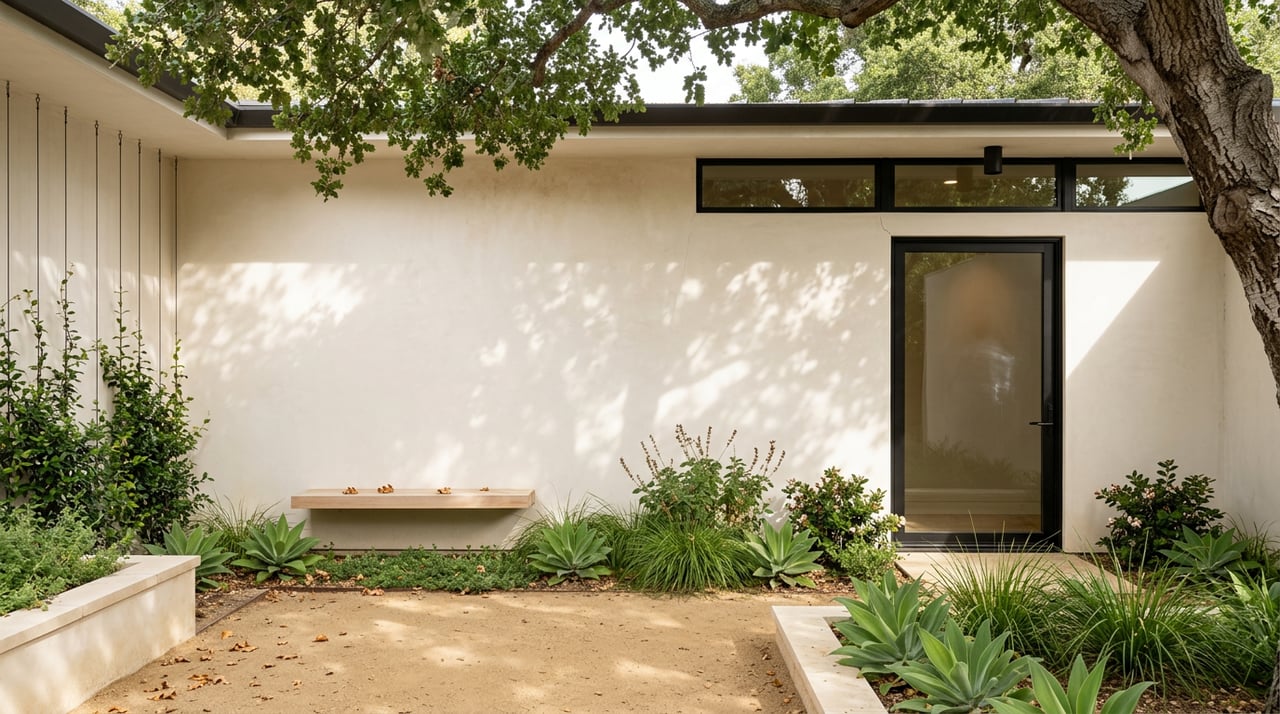
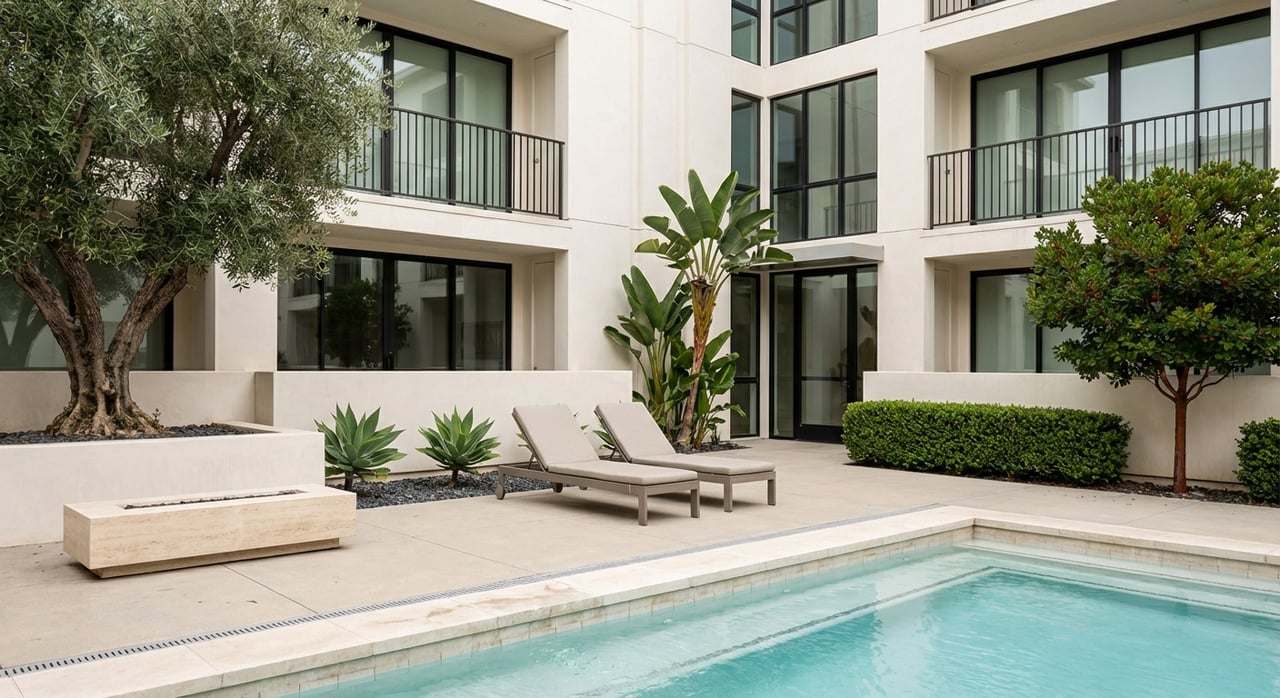
Many Encino condos are low-rise, courtyard buildings with 1 to 3 stories. You will often see landscaped courtyards, a pool or spa, and assigned surface or covered parking. These buildings can offer good value, though finishes and systems may be older, so budget for possible upcoming HOA projects.
Townhome-style condos
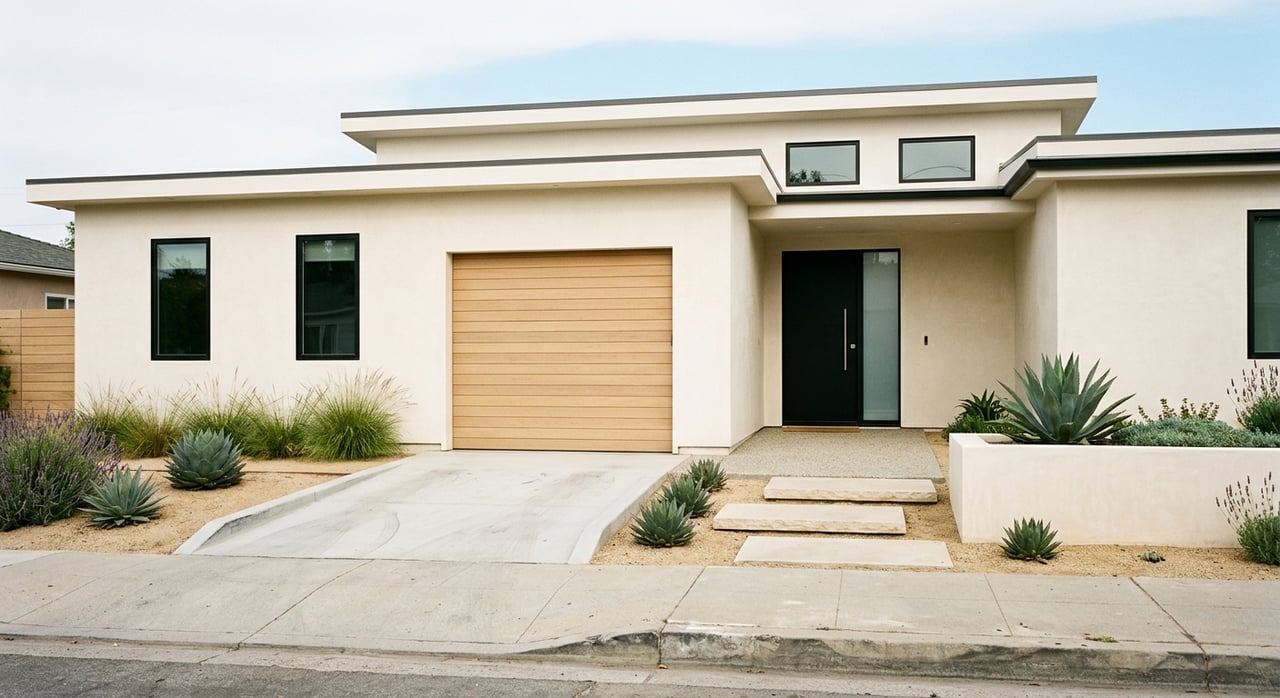
Multi-level townhomes are common too. These often provide direct-access garages, more storage, and a layout that feels like a small house. Monthly HOA dues can be moderate to higher, depending on amenities and age, but the lifestyle tradeoff is more space and privacy.
Newer infill and mixed-use
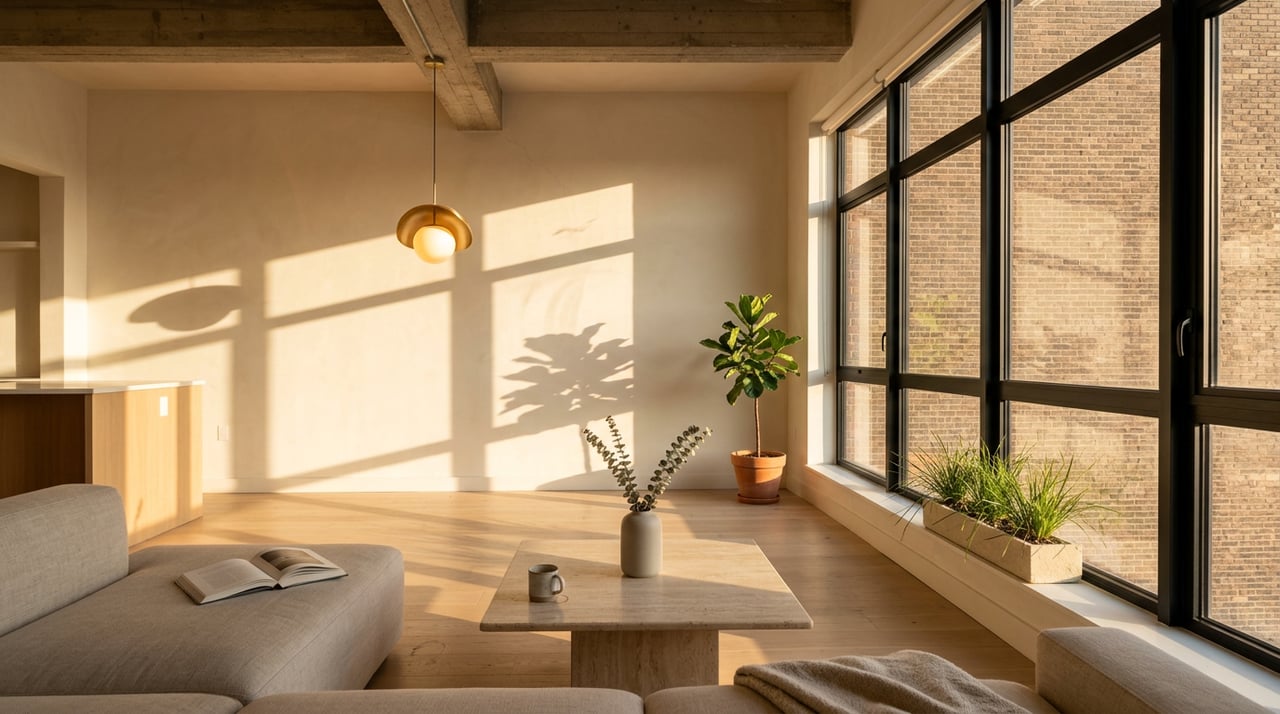
Encino continues to see incremental infill along Ventura Boulevard. Smaller mid-rise or mixed-use projects add modern features and ground-floor retail, which can be appealing if you want a newer build with elevator access. For example, local coverage highlights a 45-unit mixed-use project on Ventura Boulevard, showing the trend toward walkable infill near services and transit. You can explore that context in this overview of a Ventura Boulevard mixed-use project advancing in Encino.
HOA fees and your budget
Monthly HOA dues in Encino commonly range from about $400 to $800 per month for mid-aged buildings. Simple buildings can be lower. Amenity-rich properties and newer developments can exceed $1,000 per month. Always look at what the fee covers before you compare buildings.
What dues often cover:
- Exterior maintenance and roofing
- Landscaping, pool, spa, gym, and common-area care
- Some utilities like water or trash
- Management fees and the HOA’s master insurance
- Reserve contributions for long-term repairs and replacements
The best way to confirm coverage is to review the association’s CC&Rs, rules, current budget, insurance declarations, and the Assessment and Reserve Funding Disclosure Summary provided under California’s common-interest rules. You can learn what this disclosure includes by reviewing the Assessment and Reserve Funding Disclosure Summary requirements.
Build a realistic monthly number
Create a full monthly picture so you avoid surprises. A condo’s monthly cost typically includes:
- Mortgage payment
- Property taxes
- HOA dues
- HO-6 condo insurance
- Utilities not covered by the HOA
California’s Proposition 13 sets a base property tax rate of 1 percent of assessed value. With local assessments, many LA buyers see an effective rate around 1.1 to 1.25 percent. For context, review the Legislative Analyst’s Office explanation of Proposition 13. Use your lender’s estimate for mortgage and insurance, then add the exact HOA dues from the listing to model affordability.
Key legal and safety items in California
Condo purchases include paperwork that directly affects risk, monthly cost, and loan options. Build time into your contingency period to review these carefully.
Required HOA disclosures
In California, associations must provide a resale package that includes CC&Rs, bylaws, rules, the current budget, reserve summaries or studies, insurance declarations, and statements of regular and special assessments. The Assessment and Reserve Funding Disclosure Summary helps you see whether the reserves are adequate and what projects are coming. See what this summary covers in the Civil Code 5570 reference.
Balcony and exterior inspections (SB 326)
Associations with exterior elevated elements like balconies, stairways, and walkways must complete periodic inspections under SB 326. Ask for the inspection report and any related repair plans or bids. This can reveal upcoming work and whether it will be funded by reserves or special assessment. Get a plain-English overview in this SB 326 summary for associations, and see how reserves and balcony work interact in this guide to funding balcony inspections and repairs.
Insurance basics for condo buyers
Most HOAs carry a master policy that covers common areas and the building exterior. You still need an HO-6 policy to cover interior finishes, personal property, personal liability, and loss-assessment coverage if the HOA passes along a deductible or uninsured loss. The master policy structure matters. If the HOA is “bare walls,” you will need more interior coverage than an “all-in” policy. For a clear primer, read this overview of HO-6 condo insurance and master policy gaps.
Financing and project approval
If you plan to use FHA or VA financing, the condo project may need to be approved or eligible for a single-unit approval in certain cases. Lenders also review owner-occupancy levels, litigation, and reserve strength. Check project status early using HUD’s FHA condominium resources and coordinate with your lender.
Short-term rentals in Los Angeles
The City of Los Angeles allows home-sharing of a primary residence under specific rules, registration, and caps. Many HOAs add stricter rental restrictions that limit short-term stays. If you are counting on rental income, confirm the HOA’s rental policy and the city rules. You can review the city’s framework in the Home-Sharing Ordinance section of the municipal code.
Condos vs single-family in Encino
Both options can work well in Encino. The right fit comes down to lifestyle, control, and cost predictability.
- Maintenance and control: With condos, the association handles exterior maintenance, common areas, and often some utilities. In a house, you control more decisions but take on all exterior upkeep.
- Monthly costs: Condos add HOA dues and an HO-6 policy. Houses remove HOA dues in most cases but add variable maintenance and larger repair risk.
- Space and privacy: Townhome-style condos can feel close to a small house, while many flats trade private yard space for shared amenities.
If you travel often, prefer a lock-and-leave setup, or want lower entry pricing, a condo may fit. If you want a private yard, the ability to customize the exterior, or more autonomy, a single-family home may be better.
How to evaluate a listing step by step
Start with the basics. Note list price, HOA dues, parking details, unit type, and year built. Use these to model your monthly budget and lifestyle fit.
Add taxes the right way. Include HOA dues and use the Prop 13 context for a realistic tax estimate. For background, review the LAO’s Prop 13 explanation.
Order the resale packet early. Read the reserve study, the Assessment and Reserve Funding Disclosure Summary, recent meeting minutes, the budget, and the master insurance declarations. If reserves are low or big repairs are coming, discuss possible assessments.
Confirm loan eligibility. If you need FHA or VA, verify project status using HUD’s FHA condominium guidance and ask your lender how factors like litigation or rental ratios affect approval.
Request SB 326 reports. Ask for any balcony or exterior elevated elements inspection report and repair plans or bids. For context on how funding is handled, see this balcony inspection and reserve planning resource.
Visit at different times. Check parking, noise, common-area care, and elevator status if applicable. If you can, speak with current owners about management responsiveness and board communication.
Buyer checklist and red flags
Here is a quick checklist to request during your contingency period:
- Full HOA resale packet: CC&Rs, bylaws, rules, current budget, reserve summary or study, insurance declarations, meeting minutes, delinquency report, and any special assessment notices. The Assessment and Reserve Funding Disclosure Summary is a must-read.
- SB 326 inspection results: Any balcony or exterior walkways report, plus repair plans and how the work will be funded. See this funding guide for balcony repairs.
- Insurance details: HOA master policy limits and deductibles, and your HO-6 needs. Learn why loss-assessment coverage matters in this HO-6 insurance overview.
- Financing readiness: FHA or VA project status if you need those programs via HUD resources.
- Reserve strength: Ask what percent funded the reserves are and what projects are planned. For what to look for, review this guide to reserve disclosures and common gaps.
Red flags to take seriously:
- Very low reserve balance in an older building with decks, balconies, or flat roofs.
- Frequent or recent special assessments with more projects on the horizon.
- Pending construction-defect litigation that could delay loans or trigger assessments.
- High HOA master-policy deductible that could be assessed to owners in a claim.
- A high percentage of rentals that may affect lender approval and long-term upkeep.
Your next step
If Encino condo living feels like the right fit, the next move is to pair the right search tools with a hands-on local strategy. You will want current HOA data, a live look at new listings, and a plan to review reserves, SB 326 reports, and financing eligibility quickly during contingencies.
When you are ready, reach out to Nadia Arreola for a focused, bilingual approach and fast, practical guidance tailored to your goals. Nadia combines local Valley expertise with MLS-first tools so you can search confidently, compare options side by side, and move at the right pace.
FAQs
What are typical HOA fees for Encino condos?
- Many Encino condos list HOA dues in the $400 to $800 per month range, with amenity-rich or newer buildings sometimes over $1,000; always confirm what the fee covers in the HOA budget and disclosures.
Which documents should I review before buying an Encino condo?
- Review the full resale packet: CC&Rs, rules, budget, reserve summary or study, insurance declarations, meeting minutes, and the Assessment and Reserve Funding Disclosure Summary described in Civil Code 5570.
How does SB 326 affect Encino condo buyers?
- SB 326 requires inspections of exterior elevated elements like balconies; ask for the report and any repair plan and confirm how costs will be covered, as explained in this SB 326 summary for associations.
Can I use FHA or VA for an Encino condo purchase?
- Possibly; check the project’s eligibility early and coordinate with your lender using HUD’s FHA condominium resources to avoid surprises mid-escrow.
Are short-term rentals allowed in Encino condos?
- The City of Los Angeles permits home-sharing of primary residences under specific rules, but many HOAs restrict short-term rentals; confirm both the HOA’s policy and the city’s Home-Sharing Ordinance before you buy.