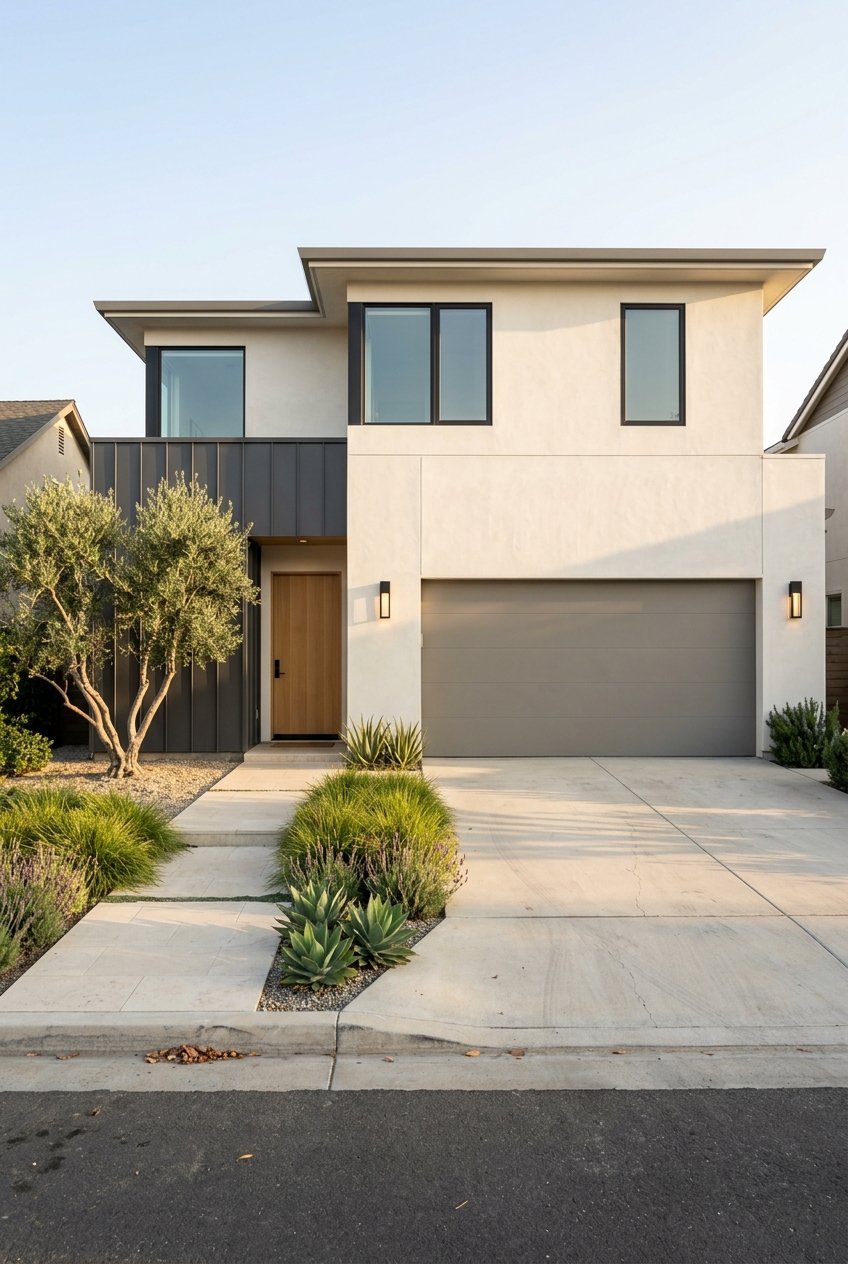
Thinking about buying a newer construction home in Santa Clarita? You are not alone. For many buyers, the appeal is simple: modern layouts, new systems, community amenities, and less immediate repair work than an older resale home. If you are trying to decide whether a new or newer home in Santa Clarita fits your budget, lifestyle, and commute, this guide will help you know what to look for, what to ask, and where extra costs can show up. Let’s dive in.
Where newer homes are in Santa Clarita
Santa Clarita is about 30 miles north of Downtown Los Angeles and includes Canyon Country, Newhall, Saugus, and Valencia. The city also highlights more than 100 miles of off-street trails and paseos, along with three Metrolink stations. For many buyers, that combination supports a lifestyle that balances commuter access with larger planned neighborhoods.
Most newer construction in Santa Clarita is concentrated in major planned communities rather than small scattered projects. That matters because when you shop newer homes here, you are often comparing not just floor plans, but also HOA structure, amenities, and long-term ownership costs tied to the community.
Valencia by FivePoint
One of the biggest newer-home options is Valencia by FivePoint. Current offerings include townhomes, paired homes, and single-family homes from multiple builders, including Lennar, KB Home, Toll Brothers, Richmond American Homes, and Tri Pointe Homes.
The current model mix includes 18 home collections, with examples ranging from the upper $500,000s to more than $1 million. Sizes currently range from 1,692 to 3,723 square feet, with 1 to 6 bedrooms. That gives buyers a fairly wide range of options, whether you want a lower-maintenance attached home or a larger detached property.
Skyline and Sand Canyon options
Other newer-home options show how varied the Santa Clarita market can be. In Sand Canyon, Pelona Hills is marketed as a 119-home detached single-family community with homes up to 2,191 square feet, 3 to 4 bedrooms, and no Mello-Roos.
In Skyline, options include Altis at Skyline, a gated 55+ enclave with 2 to 3 bedrooms and 1,511 to 2,621 square feet from the low $700s. Luna at Skyline is an all-age detached option with 3 to 5 bedrooms, 2,085 to 2,950 square feet, and pricing from the $900s. These examples show why it helps to define your needs early, especially if you are comparing age-restricted, all-age, attached, and detached homes.
What newer floor plans usually offer
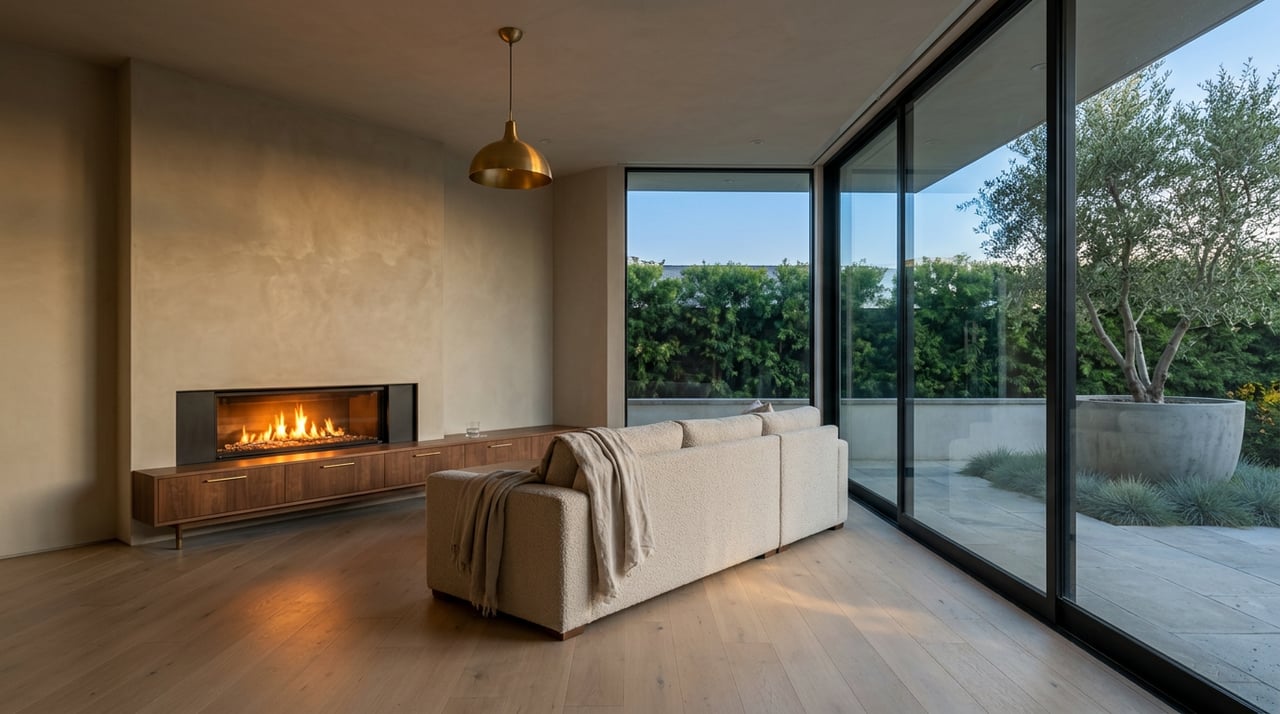
Many newer Santa Clarita homes are designed around open-concept living. Current community marketing highlights features like larger great rooms, home office space, patios, decks, and garages with room for up to three cars.
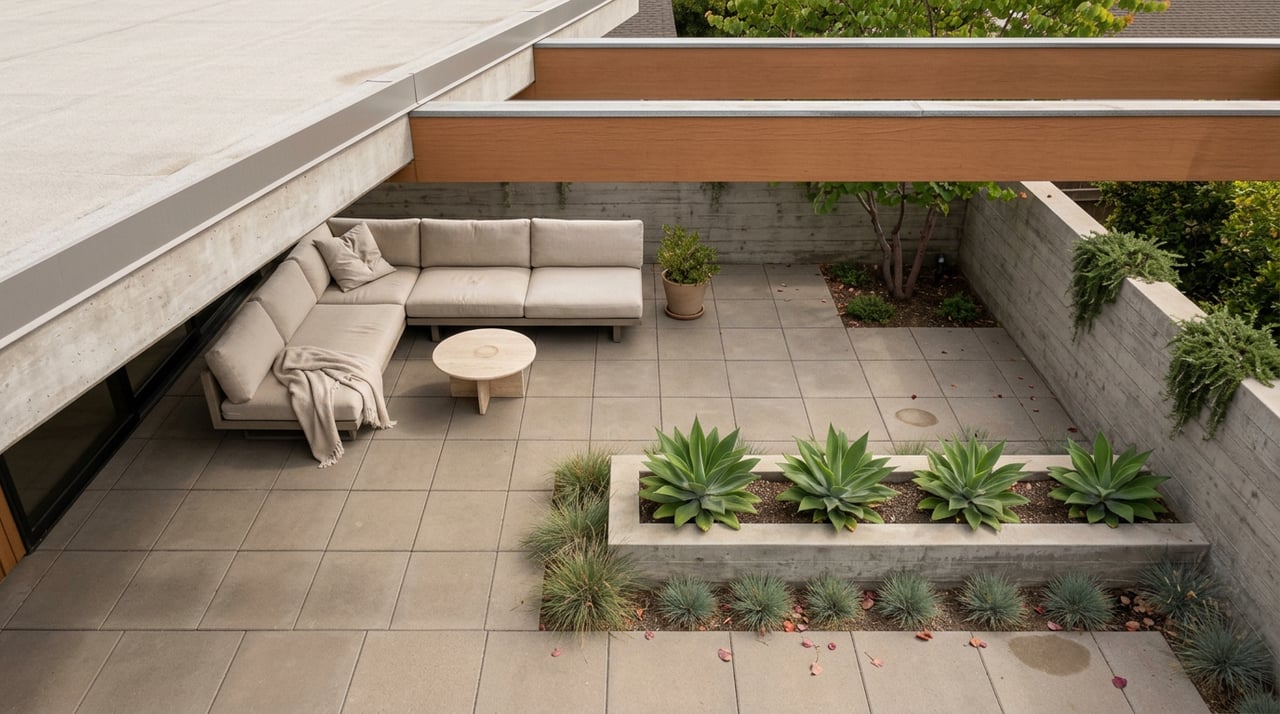
For buyers, the practical draw is flexibility. If you want a layout that feels current and functional without planning a major remodel, newer construction can solve that problem from day one. Pelona Hills also emphasizes private yards and mountain views, which may appeal if you want outdoor space with a newer home.
Amenities are part of the package
In Santa Clarita, many newer communities are built around shared amenities, not just individual houses. Valencia’s master plan includes parks, trails, play areas, bikeable streets, and open-air gathering spaces.
Its master HOA oversees parks, pools, year-round community programming, and shared-space maintenance. HOA fees vary by home type, and some homes may also have sub-association fees. Skyline follows a similar model, where community HOA dues help fund the recreation center, parks, trails, private streets, and other amenities.
The key takeaway is simple: in amenity-rich communities, monthly dues are part of the real cost of ownership. They are not a small side note, so you should factor them into your monthly payment from the start.
Watch the difference between model homes and reality
A model home can be inspiring, but it can also create confusion. Builder marketing, renderings, and staged models do not always match the exact features included in the base price of the home you are buying.
Both Valencia and Tri Pointe note that prices, included features, plans, and amenity details can change without notice. Before you move forward, confirm the actual purchase contract, homesite, lot release, and option sheet for the specific property you want.
Ask these upgrade questions early
Before writing an offer, ask for a clear breakdown of what comes standard and what costs extra. That can help you avoid surprise upgrade spending later.
Important questions include:
- What is included in the base price?
- Which design-center selections are upgrades?
- Are appliances, flooring, landscaping, or solar included?
- Does the lot premium change the total price?
- Are there any sub-association dues in addition to the main HOA?
Understand HOA dues and Mello-Roos
This is one of the most important parts of buying newer construction in Santa Clarita. In California, Community Facilities Districts are commonly known as Mello-Roos districts. The City of Santa Clarita explains that CFDs can finance public facilities and ongoing public services, and Los Angeles County notes that Mello-Roos assessments are billed as part of property taxes, often for about 30 years.
That means a home that looks affordable at first glance may carry higher monthly ownership costs once special taxes are added. In Santa Clarita, newer development may include special-tax structures tied to infrastructure and services, so it is smart to review the tax bill and closing disclosures closely.
Why this matters to your monthly payment
When buyers compare newer homes, they often focus on the purchase price first. But your true monthly cost can also include:
- Principal and interest
- Property taxes
- Mello-Roos or CFD assessments
- HOA dues
- Possible sub-association dues
- Insurance
If you are deciding between a newer build and a resale home, this side-by-side comparison can help. A resale may need updates, while a new build may carry higher community-related costs. The better fit depends on your budget priorities and how much payment flexibility you want month to month.
Review the public report and disclosures
For a new subdivision in California, the Department of Real Estate requires a public report before marketing. That report includes material information such as governing documents, HOA costs and assessments, and other important disclosures. It must be provided to a prospective buyer before the buyer becomes obligated to purchase.
This is not paperwork to skim. It is one of the best tools you have for understanding the rules, fees, and structure of the community before you commit.
For resale homes in an HOA, California law also requires sellers to provide association documents, including the annual budget, reserve-related disclosures, current assessments, and other records before closing. So whether you buy new or resale, HOA diligence matters.
Builder warranties and defect rights
Newer construction often gives buyers peace of mind, but it is still important to understand what protection you actually have. A builder warranty is different from a home protection contract. The California Department of Insurance explains that home protection contracts, often called home warranties, are separate from homeowners insurance and generally cover major systems and appliances rather than structural items.
Builder warranty terms can vary, but the FTC notes that new-home warranties often cover workmanship and materials for certain items for one year, some HVAC, plumbing, and electrical components for two years, and major structural defects for up to 10 years, depending on the builder’s terms. Always ask for the specific warranty timeline and coverage details for the home you are considering.
California defect process to know
California also gives buyers a process for addressing construction defects. The Contractors State License Board says that before filing an action for a construction defect in a new residential home purchased after January 1, 2003, the homeowner must first notify the builder so the builder has an opportunity to repair the issue under the state’s prelitigation process.
California Civil Code section 912 also requires builders to provide maintenance recommendations and their limited contractual warranties at the initial sale and, upon written request, within 30 days. In plain terms, keep your warranty documents, maintenance guidance, and builder contact information organized from the beginning.
Energy features in newer homes
Energy efficiency is another major reason buyers look at newer construction. The California Energy Commission says the 2022 Energy Code applies to buildings with permit applications submitted on or after January 1, 2023. The code expands solar PV, electric-ready requirements, and ventilation standards.
The Commission also says solar PV requirements apply to newly constructed single-family residential buildings, subject to specific exceptions. For you, that means a newer home may include more modern systems and fewer immediate upgrade needs, but it also means you should understand exactly how those systems work before closing.
Ask about these energy details
When touring or negotiating, ask:
- Is solar included, leased, or purchase-required?
- What energy features come standard?
- What electric-ready features are installed?
- What ventilation or efficiency systems should you maintain regularly?
These details affect both your budget and how the home functions after move-in.
Think through the commute tradeoff
Santa Clarita gives many buyers more house, newer amenities, and a master-planned setting compared with some closer-in Los Angeles neighborhoods. But there is usually a tradeoff. Your commute may be longer, or more dependent on timing and transit schedules.
The city highlights three Metrolink stations and local transit options, and the Antelope Valley Line serves Santa Clarita with direct train times to Burbank, Glendale, and L.A. Union Station. For some households, that can reduce dependence on freeway driving. For others, the distance from the core LA Basin may still be a major factor.
The best way to evaluate this is honestly. Test the route, review your weekly schedule, and decide whether the space and newer-home benefits outweigh the commute realities for your household.
Smart questions before you buy
If you are seriously considering a newer construction home in Santa Clarita, these are some of the most useful questions to ask before moving forward:
- What is the exact homesite, not just the model name?
- What are the full HOA dues and are there sub-association fees?
- Is the property subject to Mello-Roos or other CFD special taxes?
- What is included in the base price versus upgrades?
- What does the builder warranty cover in year 1, year 2, and year 10?
- What are the builder’s procedures for punch-list items or later defect claims?
- How does this home compare with resale options nearby in lot size, monthly costs, and likely renovation needs?
Those answers can tell you far more than a polished model home ever will.
A newer home in Santa Clarita can be a great fit if you want a modern layout, community amenities, and fewer immediate repair projects. The key is looking past the model-home excitement and focusing on the full picture, including taxes, HOA structure, upgrades, energy systems, warranty coverage, and commute fit. If you want practical guidance comparing newer construction with resale options in Santa Clarita and nearby Valley markets, Nadia Arreola can help you sort through the details with a hands-on, responsive approach.
FAQs
What should you check before buying a newer construction home in Santa Clarita?
- Confirm the exact homesite, review the public report, compare base features against upgrades, and verify HOA dues plus any Mello-Roos or CFD special taxes.
How do HOA dues work in newer Santa Clarita communities?
- In many newer communities, HOA dues help fund amenities such as parks, pools, trails, recreation areas, private streets, and shared-space maintenance, and some homes may also have sub-association fees.
What is Mello-Roos in Santa Clarita newer construction?
- Mello-Roos refers to special taxes tied to Community Facilities Districts, and those charges are typically billed with property taxes and can affect your total monthly ownership cost.
Are model home upgrades included in Santa Clarita new builds?
- Not always. Model homes often show upgraded finishes and options, so you should ask for the specific included features and option sheet for the exact home you are considering.
What warranty coverage comes with a new home in California?
- Coverage depends on the builder’s terms, but buyers should ask about workmanship and materials coverage, systems coverage, structural coverage, and the builder’s process for repairs and defect claims.
Do newer Santa Clarita homes usually include solar?
- Newer single-family homes in California may be subject to solar PV requirements under the state’s energy code, subject to specific exceptions, so you should confirm whether the system is included, leased, or otherwise structured for the home you want.
Is Santa Clarita a practical choice for Los Angeles commuters buying newer homes?
- It can be for some buyers, especially with access to Metrolink and local transit, but the tradeoff is usually more space and newer amenities in exchange for a longer or more schedule-dependent commute.